Dear Readers,
Good Afternoon!!!
Trust you are doing well!!!
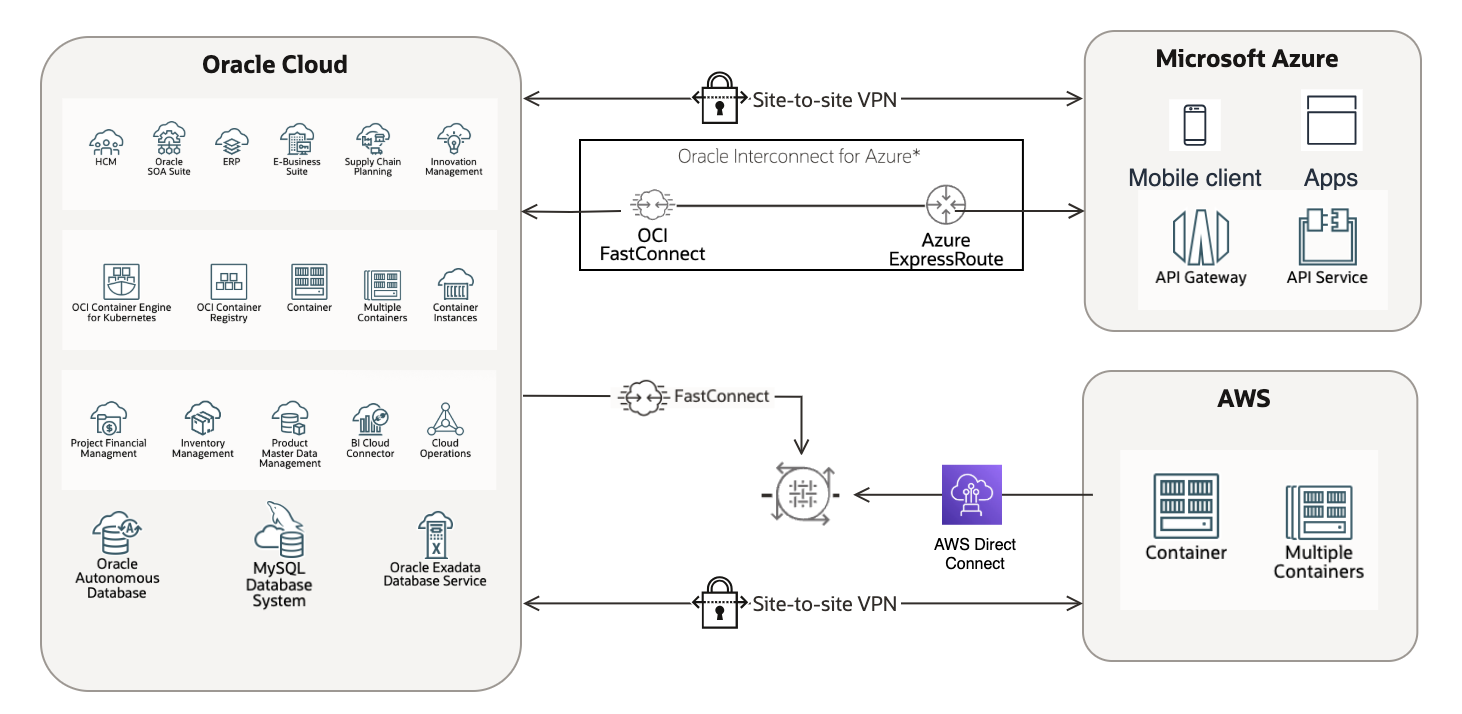
Today, we will discuss one of the most widely adopted cloud strategies in today’s landscape—an approach driven by the need to avoid single-vendor lock-in while retaining the flexibility to choose services that best meet business requirements. In this context, a multicloud strategy becomes inevitable. Let’s take a deeper look at how it works.
What is Multicloud?
Multicloud is a cloud adoption strategy in which organizations use services from multiple cloud providers instead of relying on a single vendor. This approach enables businesses to select the best services for specific workloads, improve resilience, optimize costs, and meet regulatory or data residency requirements. It also provides greater flexibility in choosing geographic locations for cloud workloads.
A multicloud strategy is typically driven by workload characteristics, business needs, and data governance requirements. Some organizations adopt a cloud-native approach tailored to specific platforms, while others prefer a cloud-agnostic model to maintain portability and vendor independence.
A multicloud architecture refers to the use of multiple public and/or private cloud services from different providers within an organization’s technology stack. The benefits of this architecture depend largely on the level of integration and interoperability between the cloud platforms.
Overall, a multicloud strategy allows organizations to distribute workloads across multiple platforms, offering the flexibility to choose the right tool for each use case and capitalize on the unique strengths of each cloud provider.
The X Factor of OCI Multicloud
OCI’s biggest advantage in the multicloud era is its ability to deliver uncompromised database performance and enterprise governance while seamlessly integrating with other hyperscalers.
OCI multicloud services empower organizations to leverage multiple cloud environments for optimal cost efficiency, functionality, and performance. OCI uniquely supports modernization of databases and applications with solutions like Exadata, Oracle Real Application Clusters, and Oracle Autonomous Database—services not found with other cloud providers. Strategic partnerships with Microsoft Azure, Google Cloud, Amazon Web Services, and others enable you to combine Oracle’s distinctive capabilities with leading services from a broad ecosystem of cloud providers.
Differnt implementation strategies
A multicloud architecture emerges when an organization integrates cloud platforms or services from two or more providers. One of the primary drivers for such integration is the need to share data across cloud environments. Depending on security and latency requirements, integration may be as simple as establishing controlled access between cloud platforms. However, when demands for strong data security, consistent governance, and low latency increase, deeper integration is required. In such cases, cloud-to-cloud orchestration—often supported by vendor partnerships and interoperability agreements—becomes essential.
Single Stack:
Leverage Oracle AI Database Services on OCI, deployed within another hyperscaler’s data centers, to run the entire stack as a single, high-performance cloud environment. This architecture delivers maximum performance, availability, and scalability while eliminating the network latency and costs associated with transferring large volumes of data across clouds.
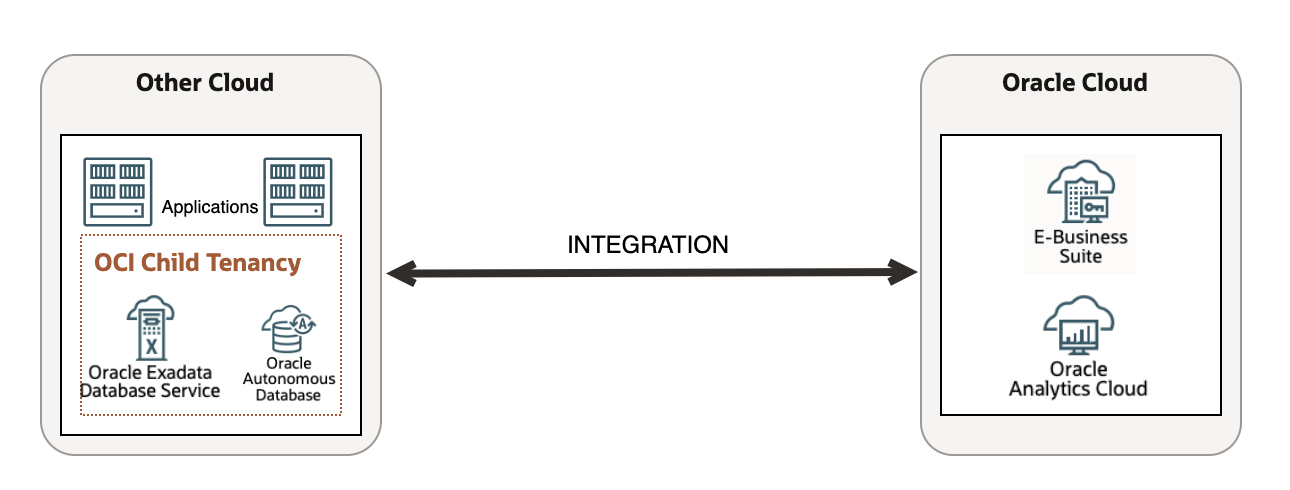
Split stack:
Enable support for specific development environments and toolsets while leveraging best-of-breed data management technologies.
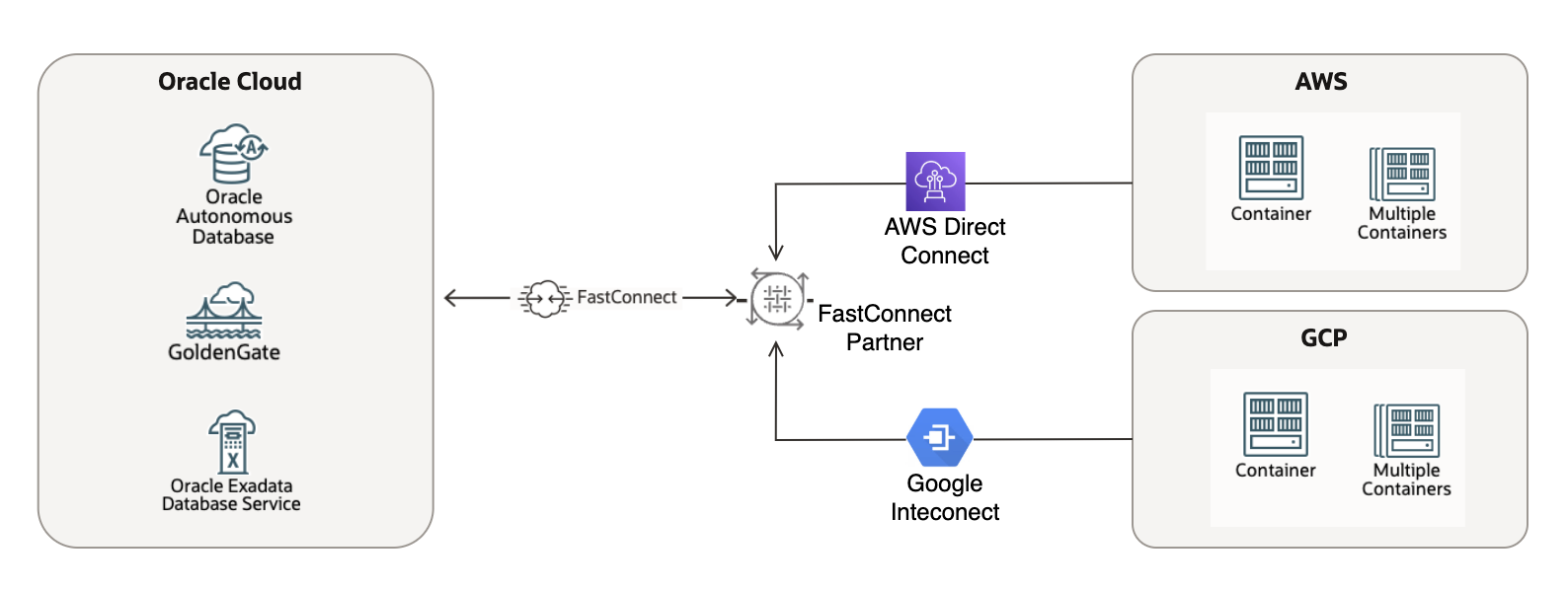
App to App:
Seamlessly integrate applications across cloud platforms to drive business agility and accelerate IT modernization initiatives.
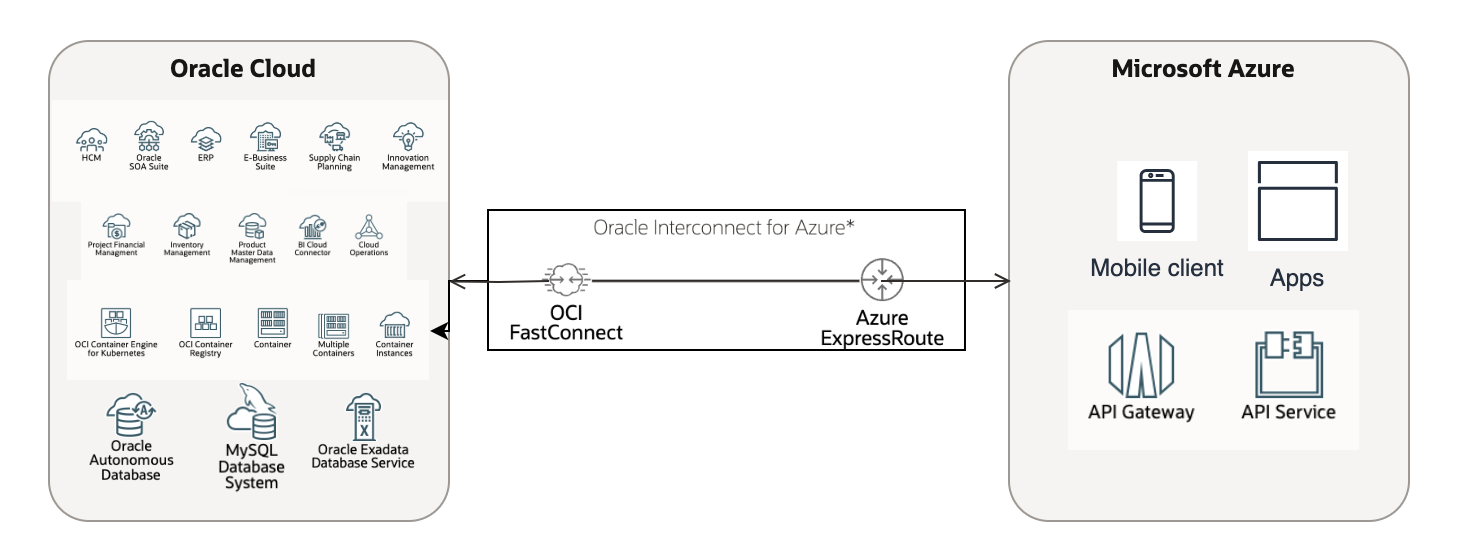
Distributed workload:
Strategically distribute workloads across clouds to maximize price-performance efficiency.
Regional availability in India
Below link provides you the latest availablity details across globe on different OCI multicloud services.
Regional available across globe
As of today we have regions wherein you are make use of OCI Multicloud offerings:
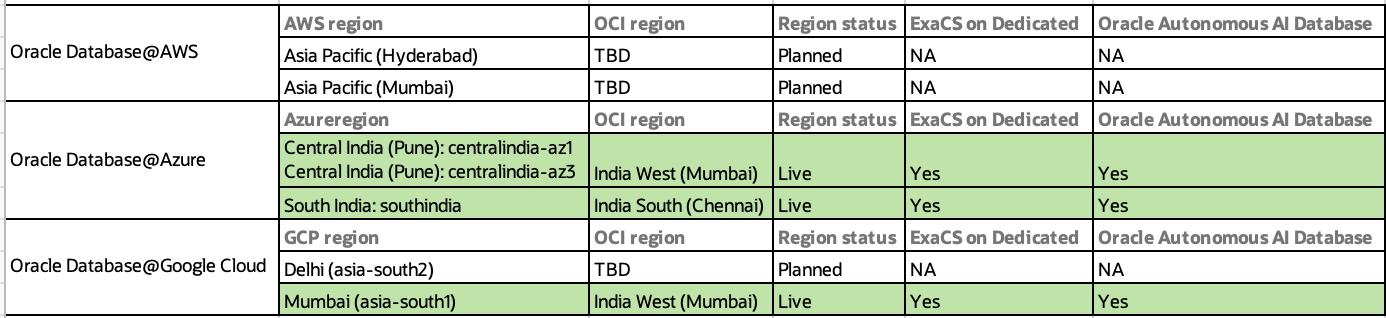
Other services like “ExaCS on Exascale”, “Oracle Base Database Service”, “Oracle ARS” & “Oracle GG” are not available in any Indian regions as of today.
Benefits of OCI Multicloud
Most organizations already use—or plan to use—more than one cloud provider to realize the benefits of a multicloud strategy, such as cost optimization, data residency, and increased business agility. Achieving these benefits depends on selecting the right combination of providers. Although implementing a multicloud strategy requires effort, a well-executed deployment can deliver significant value.
Increased flexibility
Using multiple cloud providers enables organizations to scale services quickly as they launch new products, enter new markets, or expand their workforce. By avoiding reliance on a single provider, businesses gain greater operational flexibility. A multicloud strategy enables organizations to leverage the strongest capabilities of different providers, selecting the best services for specific business needs.
Reduced vendor lock-in
A multicloud approach gives organizations more choice and negotiating power, making it easier to evaluate, pilot, and adopt new cloud services as needed.
Optimized cost management
Organizations can compare pricing across providers and select the most cost-effective cloud platform for each workload, improving overall cost efficiency.
Enhanced performance and availability
Multicloud management allows workloads to be placed where they perform best. Critical applications can run across multiple clouds, ensuring continuity if one provider experiences downtime.
Regulatory compliance
With a wider choice of providers and services, organizations can better tailor security, privacy, and compliance controls to meet industry and regional regulatory requirements.
Conclusion
As software and services continue to migrate to the cloud, adopting a multicloud approach is becoming inevitable. From data storage and backup to email, messaging, and collaboration platforms, cloud services are now deeply embedded in day-to-day business operations. As this dependence grows, organizations will naturally expand and mature their multicloud environments—making effective management tools and well-defined strategies essential.
When implemented with intent and discipline, multicloud is more than a technology decision; it becomes a strategic foundation for business agility, operational resilience, and sustained innovation.
Hope you will find this post very useful!!
Let me know for any questions and any further information in comments or LinkedIn.


 Adityanath's Database & Cloud Blog
Leave a comment